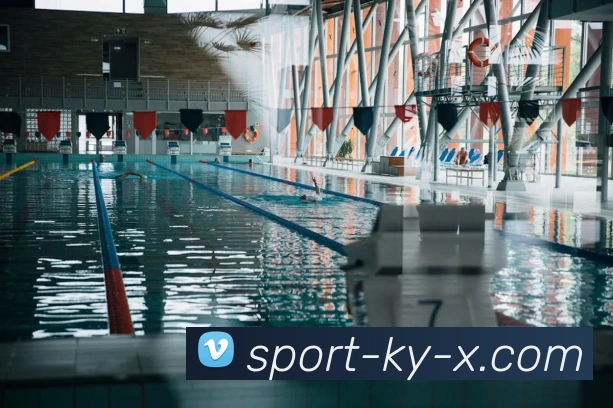
Understanding the Structure of a Swim Meet
For athletes, coaches, and spectators navigating the world of competitive swimming, mastering common swimming event terms is essential. A swim meet is a highly organized event with specific protocols and language. Knowing this terminology not only helps you follow the action but also deepens your appreciation for the sport's intricacies. From the initial call to the podium ceremony, each phase has its own set of key phrases and concepts.
The Preliminaries and Finals Format
Most major competitions operate on a preliminaries and finals format. Theprelimsorheatsare the initial rounds held in the morning or afternoon. Swimmers compete to post times fast enough to qualify for the finals. The number of swimmers who advance is typically 8 (A-Final) or 16 (A and B Finals). The termscratchis crucial here; it means to withdraw from an event. Afalse startoccurs when a swimmer leaves the starting block before the signal, which can lead to disqualification.
After the prelims, the top performers return for thefinalssession, usually held in the evening. TheA-Finalconsists of the top eight qualifiers competing for medals, while theB-Final(or consolation final) includes the next fastest eight, often competing for ninth through sixteenth place overall. This structure ensures that every race in the finals is fast and competitive.
Key Swimming Event Terms for Strokes and Races
The core of any swim meet is the individual events, each defined by stroke and distance. The four competitive strokes are universally referred to by specific names.
The Four Competitive Strokes
Freestyleis often abbreviated asFree. In this event, swimmers can use any stroke, but the front crawl is universally the fastest and is almost exclusively used. The termfreestylecan be misleading for beginners, as it doesn't mean "any style," but rather refers to this specific race category.
Backstrokeraces begin in the water, with swimmers pushing off the wall on their backs. A key term here is thebackstroke flags, which are悬挂 over the pool to help swimmers count their strokes before the turn.
Breaststrokeis known for its simultaneous arm and leg movements. Officials watch closely for illegal kicks, often referred to as adolphin kickin breaststroke, which leads to aDQ(disqualification).
ButterflyorFlyis the most physically demanding stroke, characterized by the simultaneous overhead recovery of the arms and the dolphin kick. TheIndividual Medley (IM)combines all four strokes in the order: butterfly, backstroke, breaststroke, freestyle.
Relay Events and Their Rules
Relay events are team races that add an element of strategy and excitement. TheMedley Relayfollows a specific stroke order: backstroke, breaststroke, butterfly, freestyle. TheFreestyle Relayallows all four swimmers to use freestyle. A critical rule is theexchangeor takeover. Arelay takeoff judgemonitors for early starts; if a swimmer leaves the block before the incoming teammate touches the wall, it is anearly takeoff, resulting in disqualification of the entire relay team.
Officials, Rules, and Meet Procedures
Understanding the roles of officials and common procedural terms is vital for comprehending the flow and fairness of a swim meet.
Roles of Meet Officials
Several officials ensure the meet runs smoothly and rules are enforced. TheStartercontrols the beginning of each race with the commands "Take your mark" and the starting signal.Stroke and Turn Judgeswalk the pool deck, observing technique for infractions. Their observations are reported to theReferee, the chief official who has overall authority and makes final decisions on disqualifications. TheClerk of Coursemanages the check-in process for swimmers before their events.
Important Procedural Vocabulary
Swimmers must report to theclerk of courseormarshaling areabefore their race for check-in and lane assignments. Theheat sheetis the official program listing all swimmers, their seed times, and the heat and lane assignments for each event. Yourseed timeis the time you submitted before the meet, which determines your initial placement in the heats. During the race,splitsare the intermediate times recorded at each lap or distance interval, crucial for pacing analysis. The final time is recorded when the swimmertouches the padat the end of the lane.
Essential Vocabulary for Results and Scoring
Once the race is over, a new set of terms comes into play regarding results, rankings, and team competition.
Understanding Results and Disqualifications
The official results will list swimmers by theirfinishing place.NTstands for "No Time," recorded if a swimmer doesn't finish or is disqualified. ADQis a disqualification, meaning the swimmer's time is not counted due to a rule violation. Common reasons include an illegal turn, stroke infraction, or false start. The termpersonal best (PB)orpersonal record (PR)signifies a swimmer's fastest time ever in that event, a key achievement at any meet.
Scoring in Team Competitions
In team-scored meets, points are awarded based on final placement. For example, in an 8-lane final, first place might earn 9 points, second place 7 points, and so on. Theteam scoresare tallied throughout the meet. Atime finalevent is one where there are no separate prelims and finals; the results are determined by the times swum in a single round of heats, with the fastest time overall winning. Thepsych sheetis a pre-meet ranking of all entered swimmers by their seed times, used for planning and anticipation.
Mastering these swimming event terms enhances the experience for everyone involved. It allows swimmers to communicate effectively with coaches and officials, helps coaches strategize, and enables fans to follow the nuanced drama of each race with greater insight and enjoyment.